Summer Resort Background
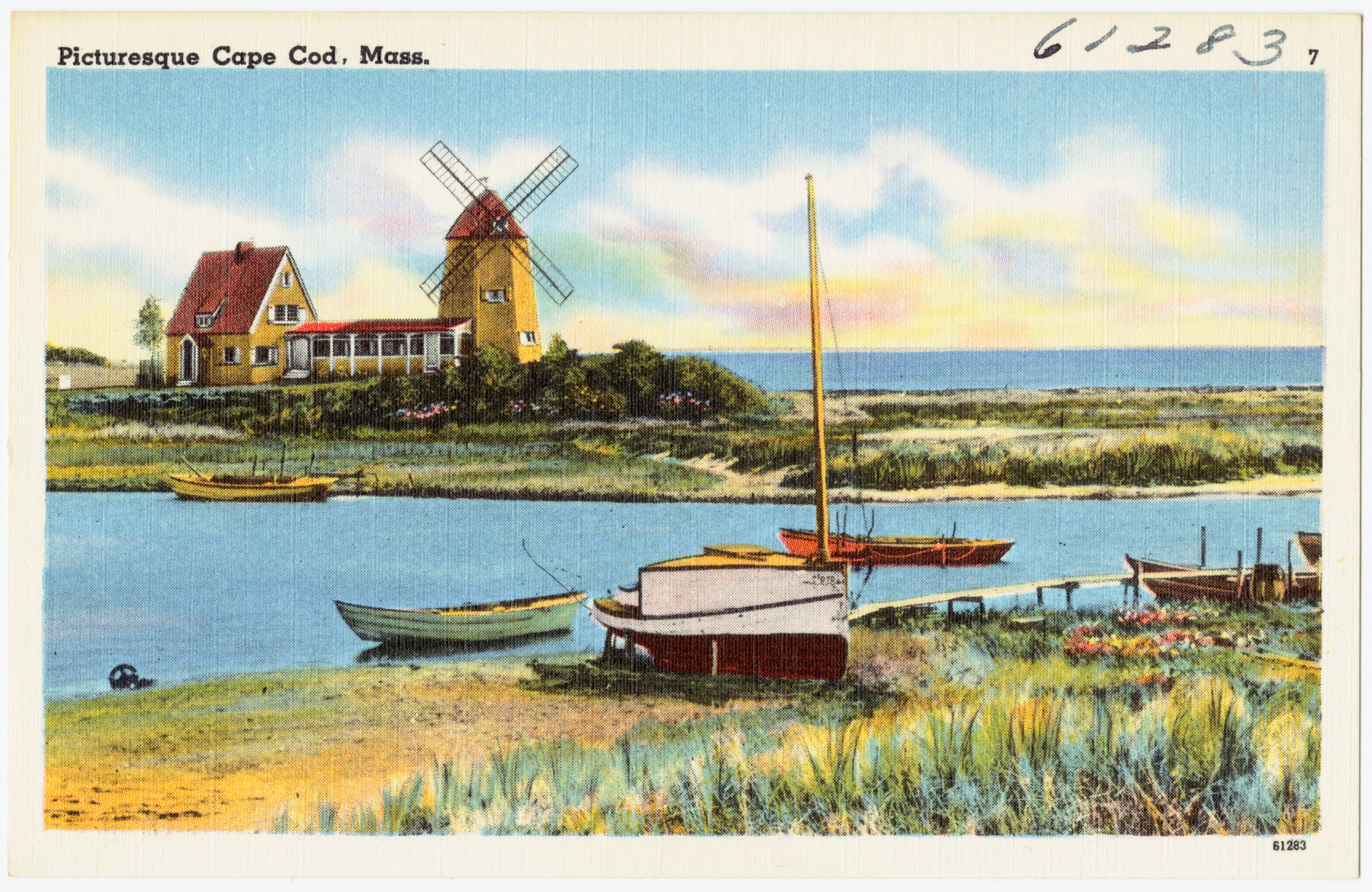
As the 19th century progressed, Cotuit began to attract summer visitors seeking respite from the bustling cities. The bay's natural beauty and tranquil atmosphere made it an ideal destination for relaxation and recreation. Gradually, the character of the area shifted, with the once predominantly agricultural community embracing tourism as a primary economic driver.
.jpg)
Resort life grew from older village strengths.
Cotuit did not become appealing to visitors by accident. It already had the qualities that summer travelers wanted: protected water, a recognizable village center, a working shoreline, salt air, and enough distance from city life to feel restorative. The older maritime and agricultural setting became part of the appeal.
.jpg)
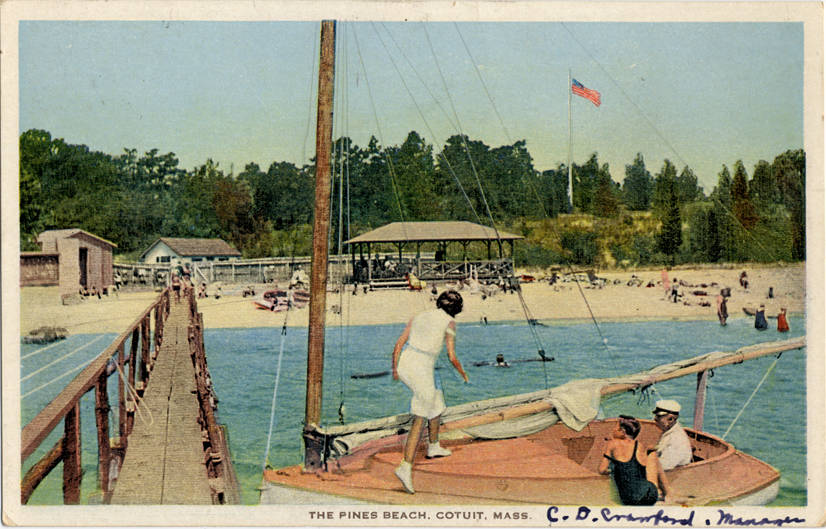
Summer visitors often look for a version of a place that feels slower and more coherent than home. Cotuit's bay offered that. Sailing, swimming, porch life, shoreline walks, and evenings near the water helped shift the local economy toward seasonal stays, services, and hospitality.
Tourism changed the rhythm, not the whole identity.
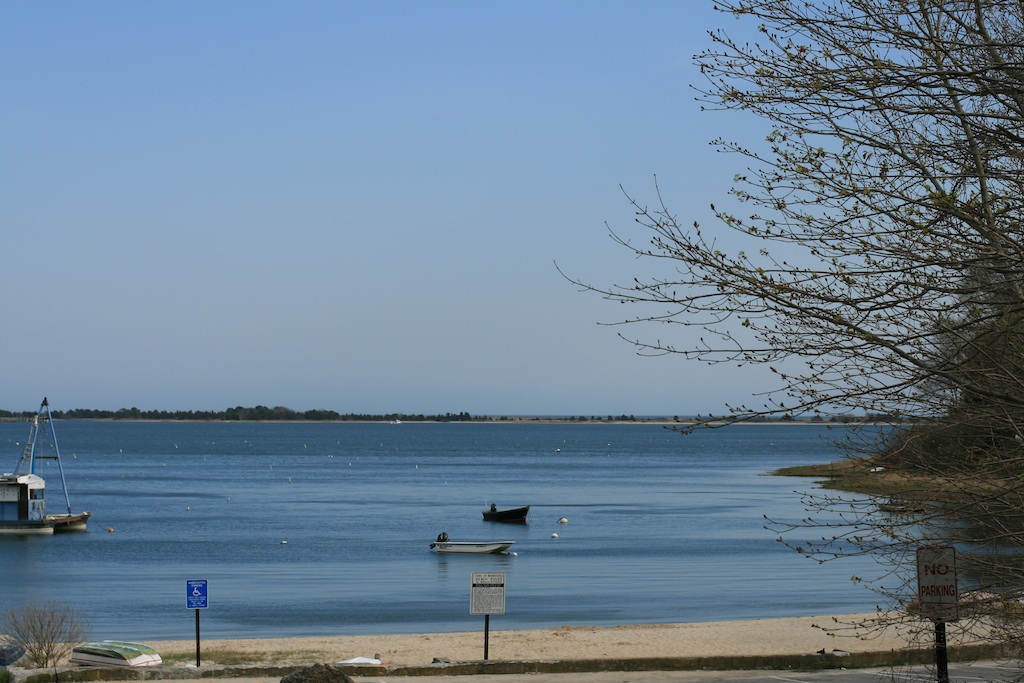

The move toward tourism did not erase the bay's earlier history. Instead, it layered a seasonal economy on top of a working village. That layering is part of why Cape Cod places can feel both historic and recreational. A harbor can hold memories of fishing and trade while also becoming a place for sunset photos, family visits, and summer rentals.
Visitors are welcome, but they are entering a living community with history, homes, local rules, and environmental limits. Good tourism depends on respect for the village as much as appreciation for the view.