Conservation Background
Like many coastal areas, Cotuit Bay has faced environmental challenges, including pollution and habitat loss. However, a growing awareness of the bay's ecological importance has led to concerted efforts to protect and restore its natural resources. Organizations dedicated to preserving the bay's ecosystem have emerged, working to balance the needs of the community with the health of the environment.
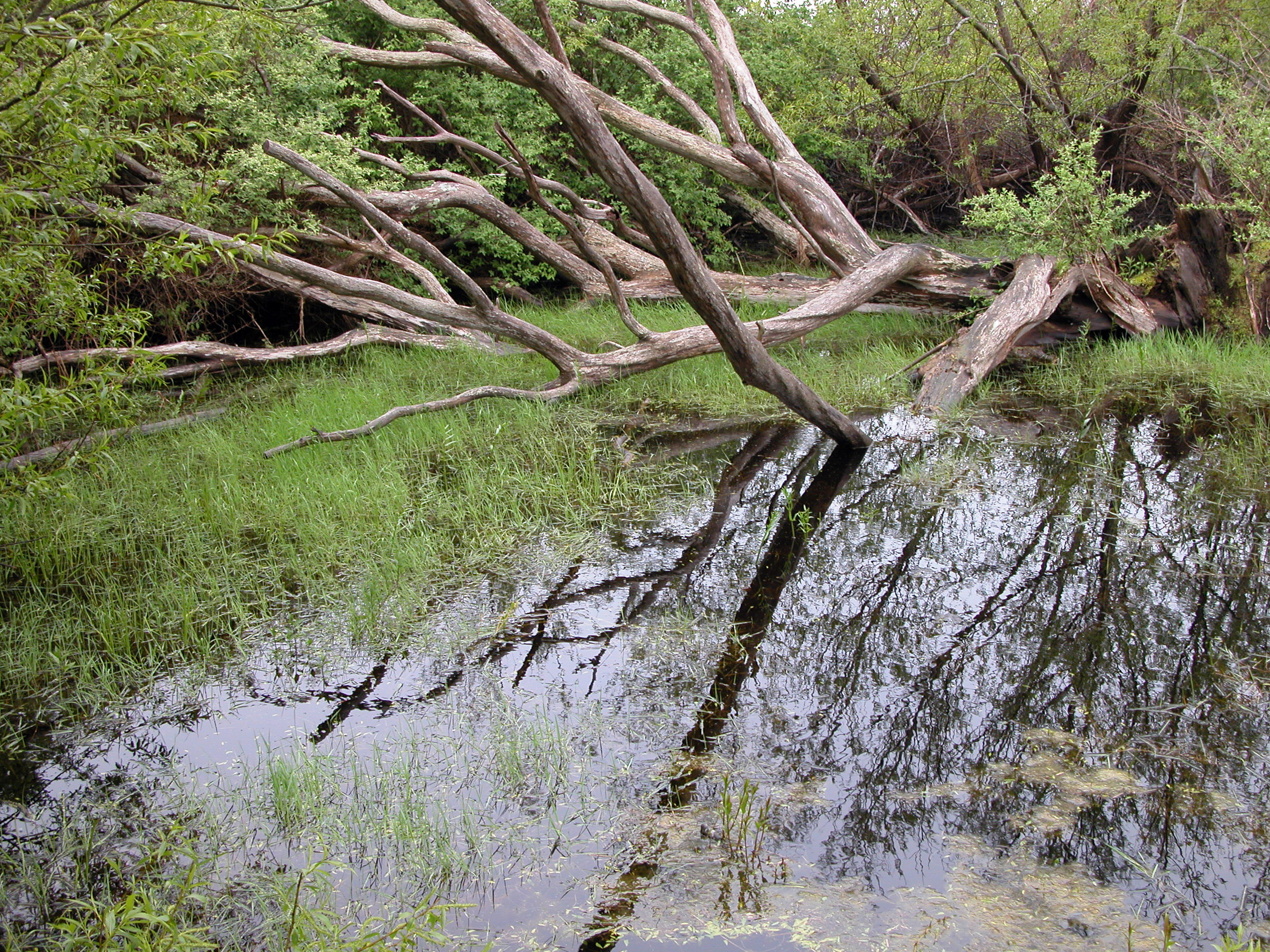

A bay is affected by what happens uphill.
The health of Cotuit Bay depends on more than what happens on the water. Runoff, septic systems, lawn fertilizer, road drainage, shoreline hardening, boat traffic, and development pressure can all influence water quality and habitat. In a shallow coastal bay, small changes can add up quickly.
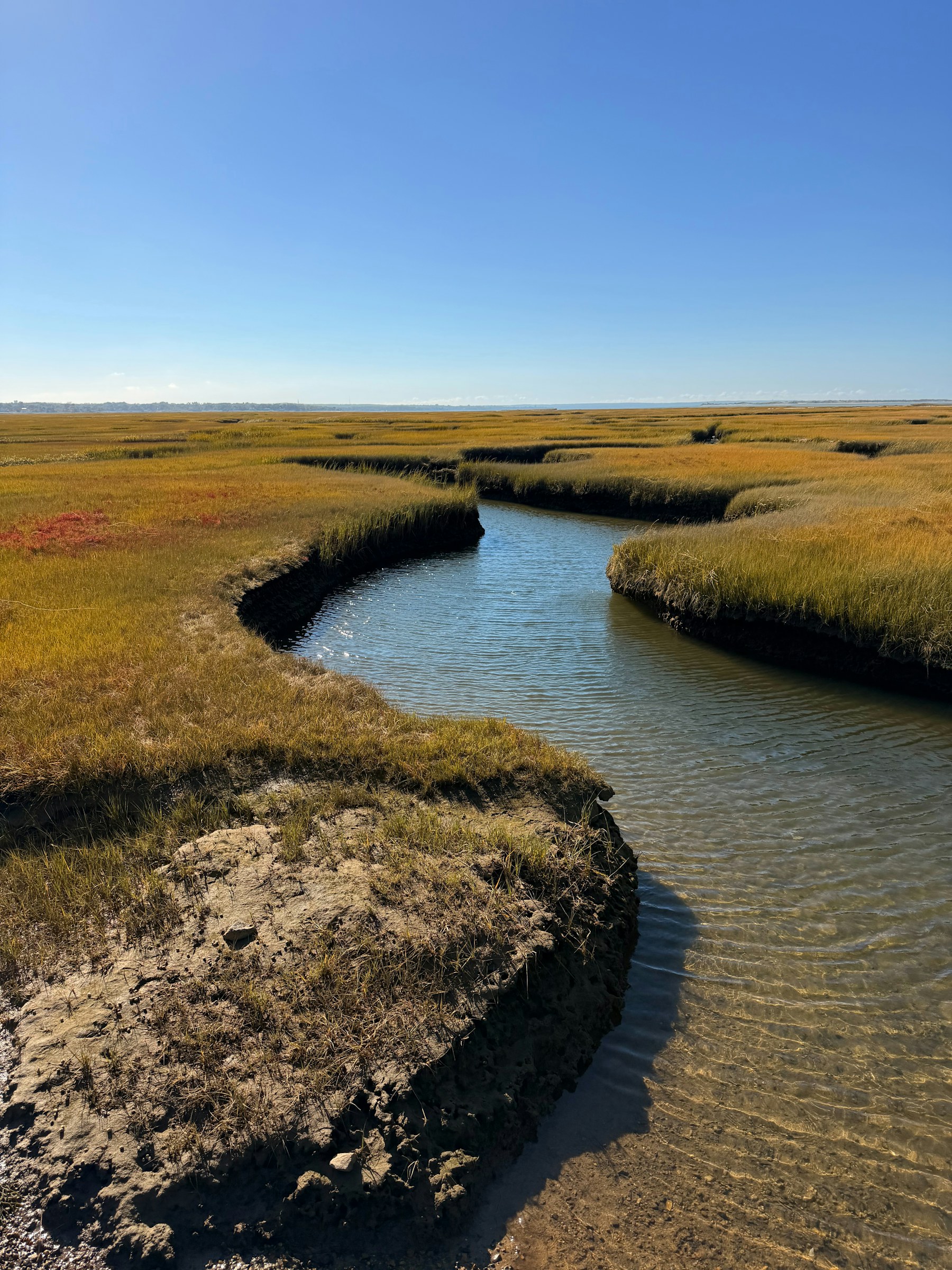
Habitat loss is not always dramatic. It can happen in increments: a marsh edge trimmed back, eelgrass stressed by cloudy water, shellfish beds closed after poor water-quality results, or wildlife pushed away from nesting and feeding areas. Preservation work often looks quiet because it is made of monitoring, maintenance, education, restoration, and local rules.
Visitors can be part of the solution.
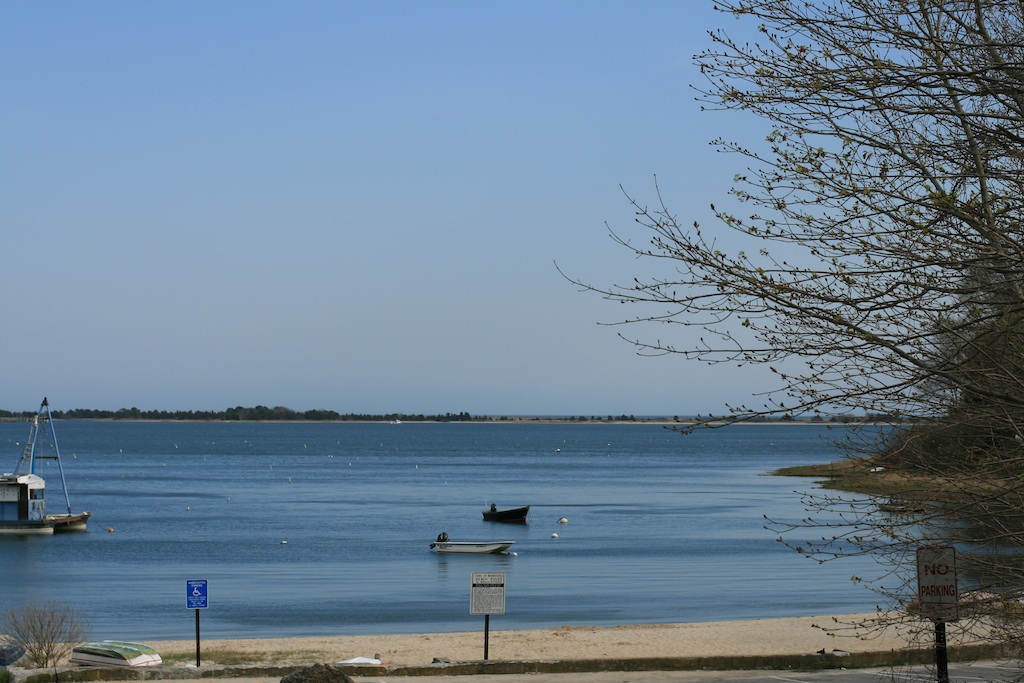

Visitors help protect the bay by using marked access points, staying out of marsh grass, avoiding trash and fishing-line debris, following posted shellfishing rules, keeping boats away from sensitive areas, and respecting private shorelines.
Preservation does not mean freezing Cotuit Bay in time. It means keeping the water, habitat, and village life healthy enough that boating, fishing, swimming, shellfish, birds, and shoreline views can remain part of the place.