Historical Background
The name "Cotuit" itself is a testament to the area's indigenous past. Derived from the Wampanoag language, it translates to "place of the council," indicating the bay's significance as a gathering place for the native people.
The name points to a lived landscape.
Long before Cotuit Bay became a destination for boating, summer cottages, and Cape Cod vacations, the shoreline was part of a much older Indigenous landscape. The translation "place of the council" frames Cotuit as more than a scenic harbor. It suggests a place where people met, made decisions, moved with the seasons, and understood the water as part of daily life.
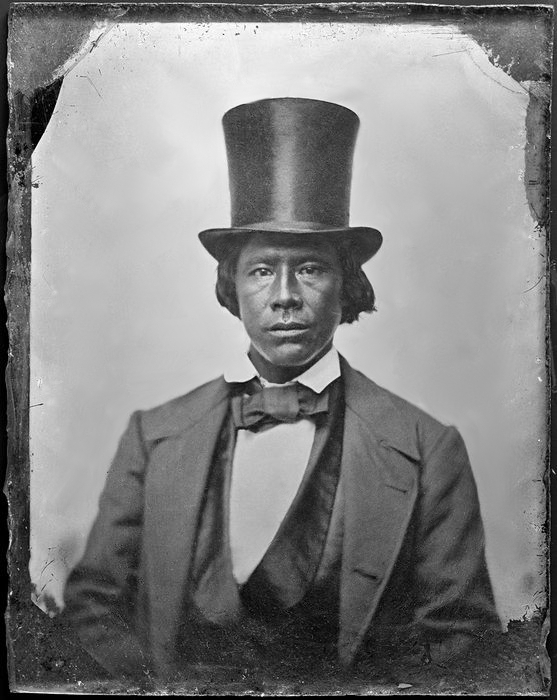

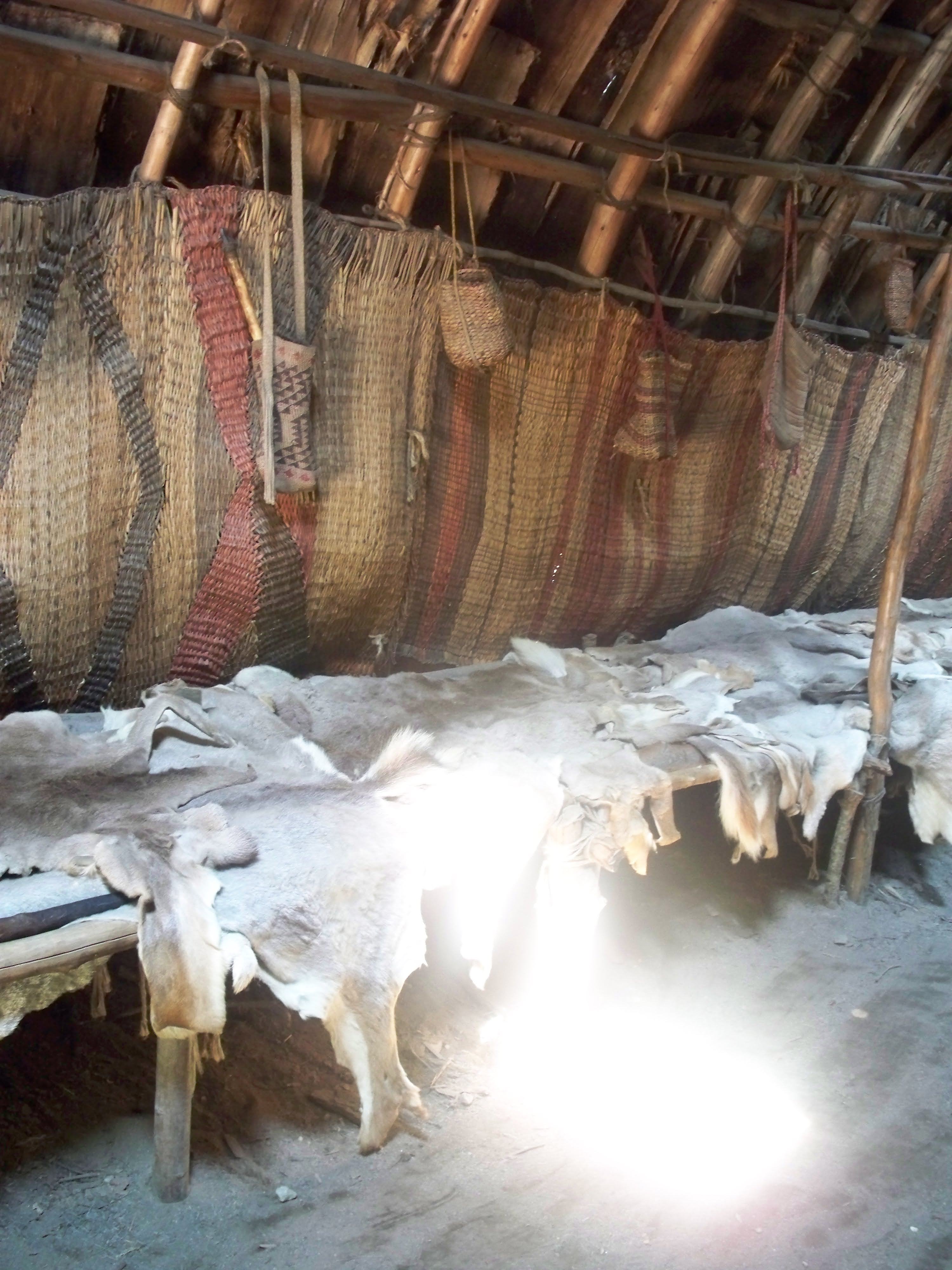

Bays, coves, beaches, wetlands, and upland paths were not separate attractions. They worked together as a living system. Shellfish, fish runs, protected water, fresh-water sources, and nearby planting grounds all mattered. A sheltered bay like Cotuit would have been valuable because it offered access, food, transportation, and a recognizable point of return.
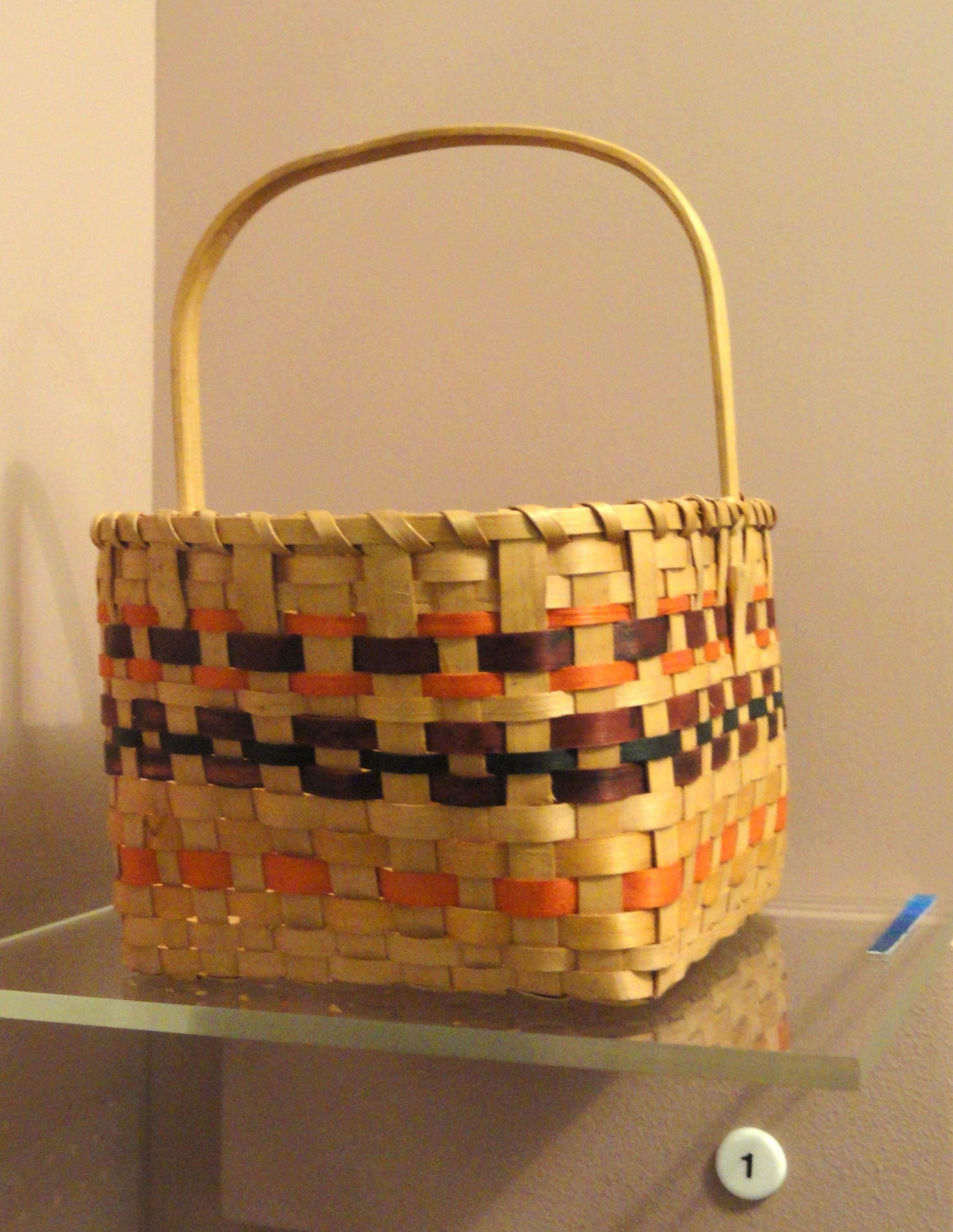
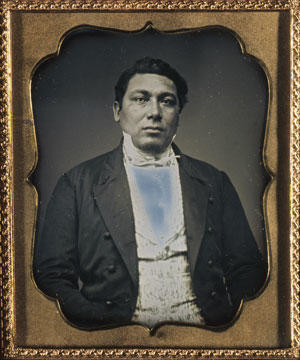
,_Nauset_or_Wampanoag,_collected_in_Barnstable_MA_in_1892_-_Native_American_collection_-_Peabody_Museum,_Harvard_University_-_DSC05470.JPG)
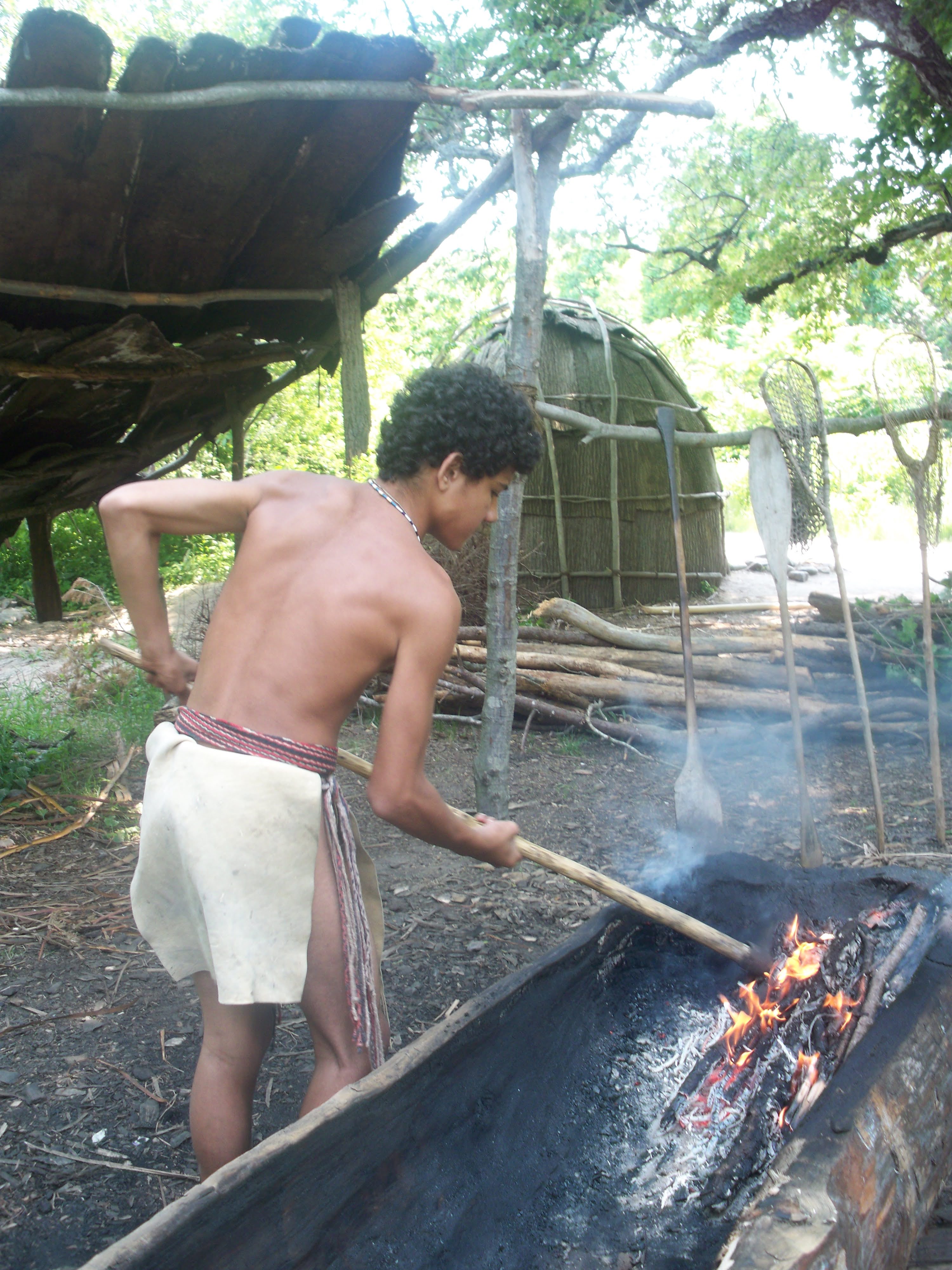

Why the Wampanoag context matters.
Cape Cod place names often preserve fragments of Wampanoag language even when the built landscape later changed around them. That can make a familiar map feel settled and simple, but the name is a reminder that the story began earlier than colonial town boundaries. Writing about Cotuit responsibly means keeping that earlier presence visible rather than treating it as a short footnote.



A fuller local history should look to Wampanoag sources, tribal history resources, town archives, and regional scholarship. For visitors, the essential starting point is simple: Cotuit Bay's story begins before European settlement and before Cape Cod became a summer destination.